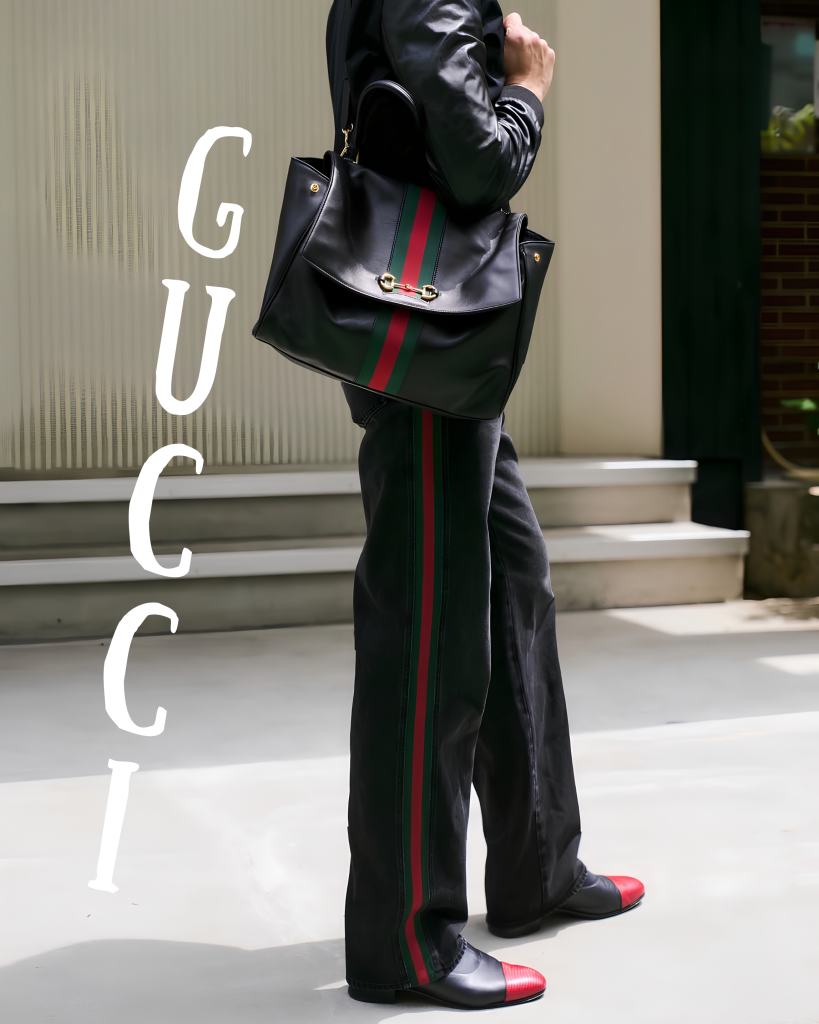
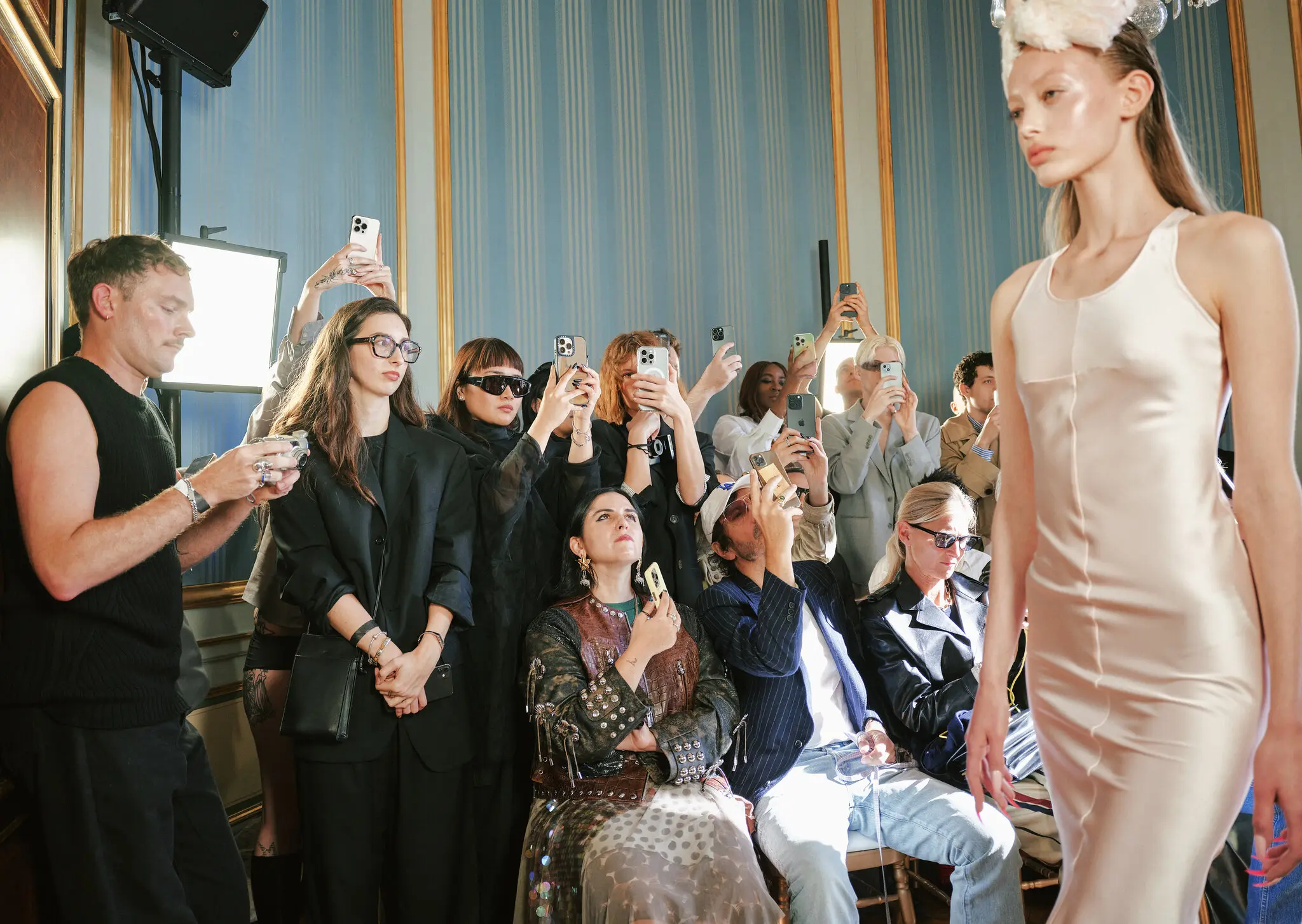
The seismic shifts in the fashion landscape have cracked open the once-impregnable walls of traditional critique. For decades, the sacred few held court, their pronouncements shaping trends, anointing genius, and occasionally, wielding the power to send a collection to the sartorial graveyard. But the digital revolution, with its instantaneous feedback loops and democratized platforms, has invited everyone to the front row – or at least, to comment from the comfort of their couches.
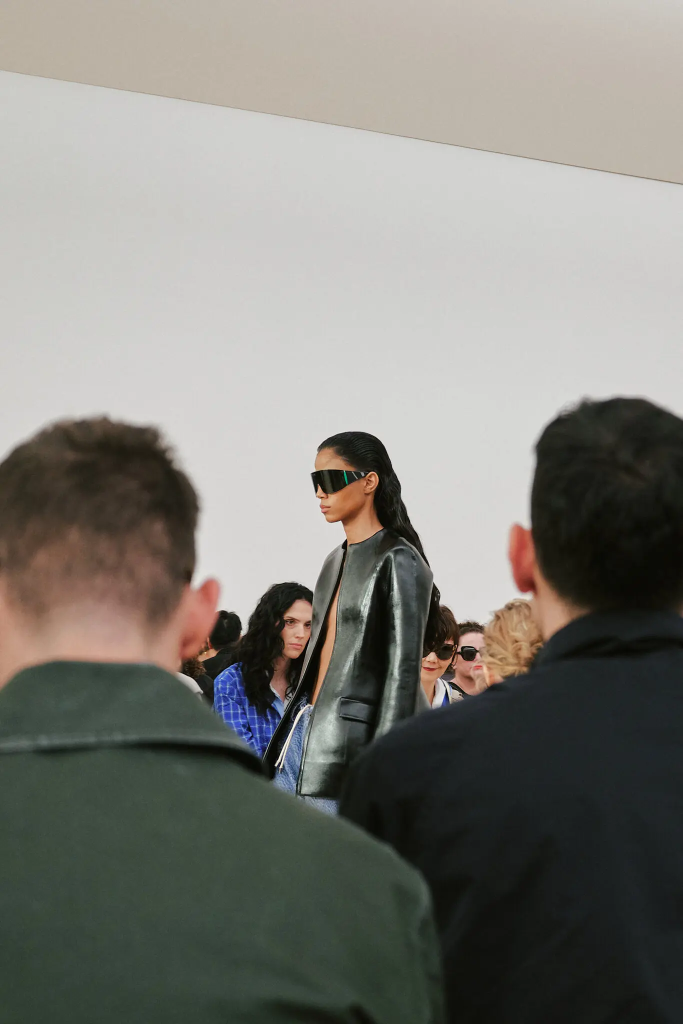
“The idea of a single, authoritative voice is as anachronistic as a crinoline in 2024,” asserts Dr. Evelyn Reed, a cultural historian specializing in dress and media. “Fashion, at its core, is a living art form, and like all art, it invites interpretation. To suggest only a select few are qualified to discuss it is to fundamentally misunderstand its purpose.”
Yet, the rise of the ‘everyday critic’ the influencer, the TikTok commentator, the avid forum participant, brings with it a fresh set of challenges. Is all commentary created equal? Does genuine insight risk being drowned out by superficial takes and fleeting trends?
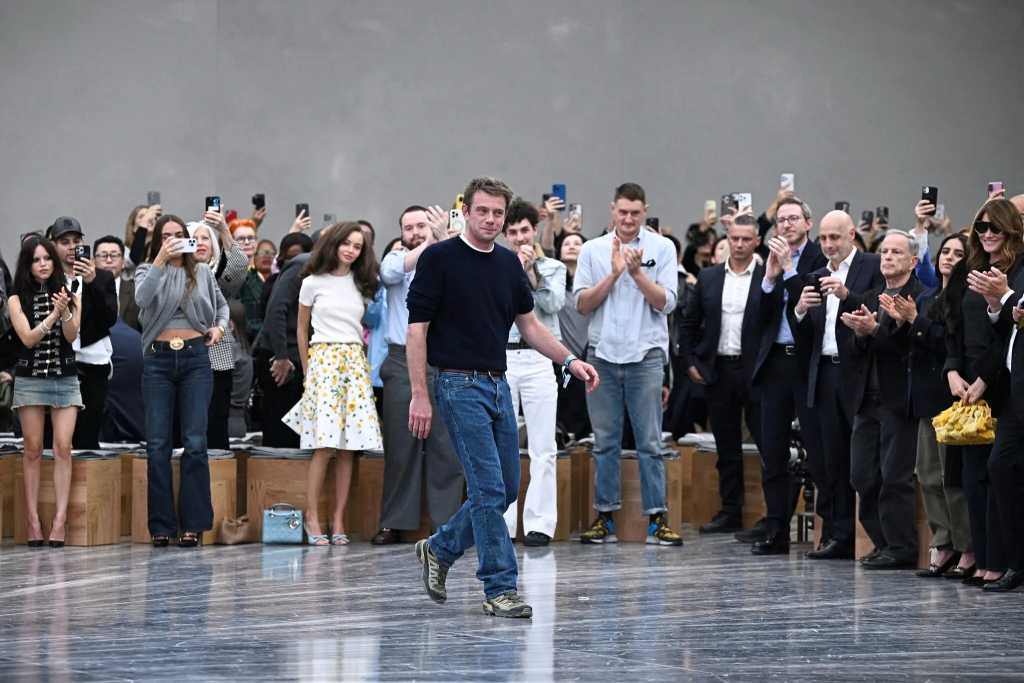
Marcus Thorne, a veteran fashion journalist whose biting wit once graced the pages of glossy titans, expresses a familiar lament. “There’s a distinction to be made between expressing an opinion and offering informed criticism. I worry that the sheer volume of voices sometimes dilutes the discourse, making it harder to discern truly insightful analysis from mere preference.” He pauses, a glint in his eye. “It’s like comparing a carefully curated exhibition to a bustling flea market. Both have their charm, but only one is designed for genuine contemplation.”
But for a new guard of commentators, the democratized landscape is not a dilution, but an enrichment. “Fashion was always meant to be accessible, worn by real people, lived in,” argues Chloe Davis, a burgeoning fashion content creator whose platform focuses on accessible style and breaking down industry jargon. “When the conversation is confined to an elite few, it becomes insular, detached. The ‘vox populi,’ as you call it, brings a vital connection back to reality. It’s about how clothes make us feel, how they integrate into our lives, not just how they look on a runway.”
The specter of snobbery, of course, looms large in this debate. Fashion has long been synonymous with exclusivity, its allure often tied to its perceived inaccessibility. For many, the idea that expertise is cultivated through years of study, industry immersion, and a nuanced understanding of design history remains paramount.
“There’s an undeniable value in deep knowledge,” states Professor Alistair Finch, a highly respected fashion theory academic. “Understanding historical context, garment construction, and the intricacies of a designer’s aesthetic evolution is not something you gain overnight. While I welcome diverse perspectives, to dismiss the importance of scholarly rigor in fashion discourse would be a grave mistake. It’s not snobbery; it’s a commitment to informed critique.”
However, others contend that such an insistence on “qualified” voices can stifle innovation and alienate a new generation of enthusiasts. The design collective “Cipher & Stitch,” known for their boundary-pushing, gender-fluid collections, offers a more inclusive vision. “We want people to feel empowered to talk about our work, to engage with it, regardless of their ‘credentials’,” they shared in a rare joint statement. “Authentic connection often comes from a place of passion, not just academic understanding. Snobbery creates barriers where there should be bridges.”
Ultimately, the question of “who should be allowed to talk about fashion” isn’t one with a simple answer. Perhaps it’s not about exclusivity, but about the quality and intent of the conversation. Whether delivered from a hallowed critical perch or a vibrant TikTok feed, the most resonant voices are those that provoke thought, inspire feeling, and push the boundaries of how we see, and wear, the world.
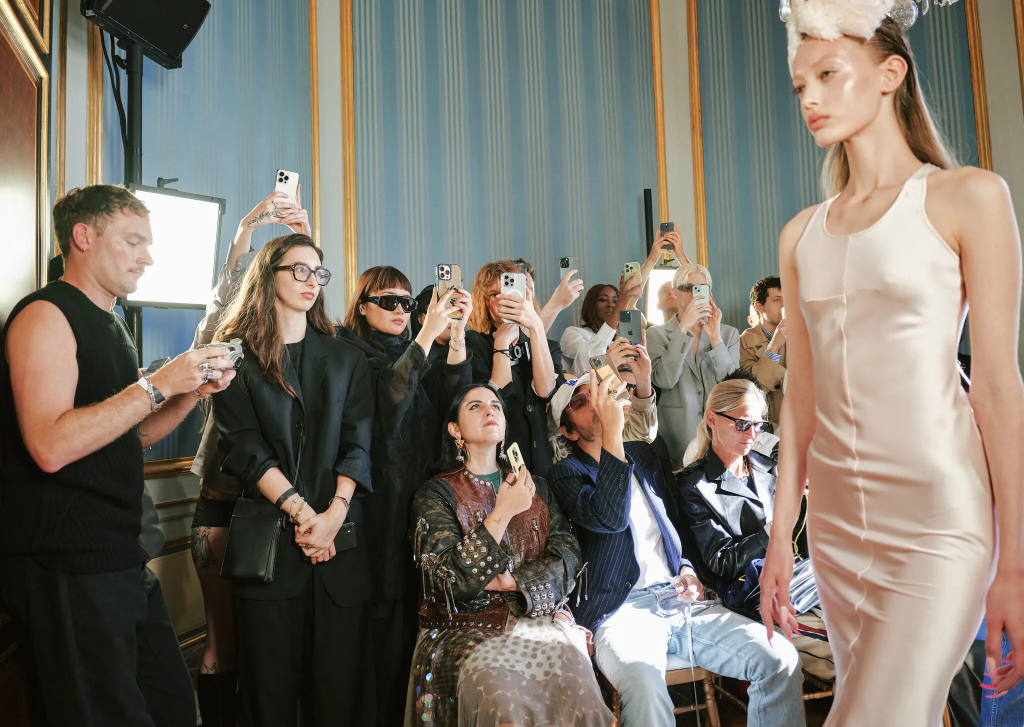
At HuntrMania, we believe the fashion dialogue is richer when it’s a chorus. The challenge, then, is not to silence voices, but to cultivate an environment where informed opinions can flourish, diverse perspectives are respected, and the snobbery of yesterday gives way to the open-minded curiosity of tomorrow. What are your thoughts? Join the conversation.