
Virgil Opened a Door and Everyone Walked Through the Wrong One
Somewhere right now, a young man is sitting in front of a laptop, building a brand. He has a story. The story is real and it is painful and it happened to someone he loves, and the pain of it sits in his chest in a way that has no clean resolution. So he did what the internet told him was the next right step. He opened a store. He designed a logo. He wrote a mission statement. He allocated 20% of every sale to an organisation fighting the thing that hurt his family. He posted about it. The post did the numbers. The orders came in.
He did not ask where the other 80% was going, because nobody asked him and he did not ask himself. He had turned his grief into a product, and the product was selling, and in the selling of it he felt like he was doing something. He felt like he was fighting back. He was not fighting back. He was feeding the machine that created the wound in the first place, and the machine was grateful for the meal.
This is the era of the cause brand. Every week a new one arrives wearing the clothes of a movement. The hoodie with the slogan. The tote bag with the statistic. The percentage of profit that goes somewhere that sounds important. The founder’s story on the About page, personal and devastating and perfectly formatted for a caption. The language of resistance packaged in a Shopify template, optimised for conversion, marketed through the same algorithm that sells fast fashion and cryptocurrency and appetite suppressants to the same scroll.
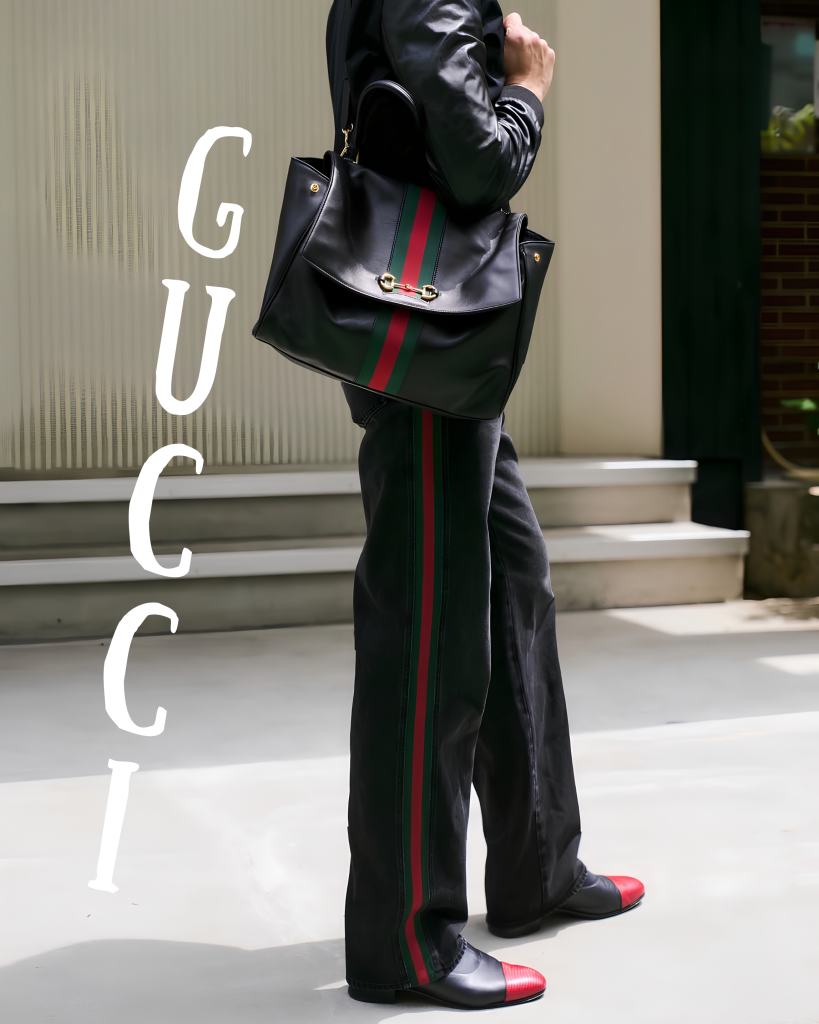
It is worth pausing here to understand where this culture of the founder story actually came from, because it did not arrive from nowhere. Virgil Abloh changed how a generation thought about what a brand could be. He argued that a twelve percent difference between a reference and a new thing was enough to make it yours. He said that the concept behind an object mattered as much as the object itself, that streetwear could carry intellectual weight, that context was design. He was right, and the work he did to earn the authority to make that argument was real and it was deep and it took years. What happened next was not his fault and not his intention. A generation absorbed the theory and left the work behind, because the work is expensive and a story is free. The concept became the product. The narrative became the brand. And the easiest concept to sell, the one that required no craft, no supply chain, no years of learning, was pain. Someone else’s pain, your own pain, or pain close enough to real that the distance between it and invention was never examined publicly.
The cause brand is one of the most sophisticated instruments of containment the system has ever produced. And it did not have to design it. The people inside the system did it themselves, organically, because the system had taught them that the correct response to pain is a product, that the correct response to injustice is a brand, that the correct response to a world that has failed you is to build a small business inside the failure and donate a percentage of the proceeds to an organisation that is also, if you follow it far enough, financially dependent on the failure continuing.
Follow the money. Always follow the money.
When a rape happens and the response is a clothing brand donating 20% of its profit to an anti-rape organisation, several things are happening simultaneously that deserve to be named clearly. The legal system that failed the survivor is not being challenged. The cultural conditions that produced the perpetrator are not being addressed. The institutional accountability that might prevent the next attack is not being demanded. What is happening is that the pain of one family has been converted into a revenue stream, and a portion of that revenue stream is flowing toward an organisation whose continued existence depends on rape continuing to be a problem that requires funding to address. If rape stopped tomorrow, the organisation would close. That is not an accusation of malice. It is a description of how incentive structures work, and incentive structures always eventually shape behaviour, however unconsciously.
This is the exact logic that has kept international aid organisations operating in the same countries for forty and fifty years without resolving the conditions that justified their original presence. There are organisations that have been fighting poverty in specific African nations since before the children of those nations’ current leaders were born. The poverty is still there. The organisations are still there. The fundraising dinners are still there. The white Range Rovers with the logo on the side are still there. At a certain point the question stops being why has the problem not been solved and becomes what happens to this organisation the morning after it is. The answer is that it closes. The staff lose their jobs. The funding model collapses. The problem being solved was never only the poverty. It was also the organisation itself, its survival, its growth, its next funding cycle, its relationship with the donors whose own tax structures are shaped by the charitable giving that the organisation’s existence makes possible.
War is the clearest version of this argument and the hardest one to make without being misread, so it will be made carefully. There are organisations operating in active conflict zones that provide genuine, life-saving services to people who would die without them. That is real and it matters and nobody serious is arguing against the humanitarian impulse. What is worth examining is the broader ecosystem around conflict, the think tanks that require geopolitical instability to justify their existence, the defence contractors whose revenue requires active procurement, the media organisations whose ratings require ongoing drama, the NGOs whose funding cycles require continued crisis, all of them operating simultaneously around the same wound, all of them financially structured in ways that make resolution less commercially interesting than continuation. Nobody has to consciously choose this. The structure chooses it for them. The money flows toward the continuation. The people inside it follow the money. The war keeps going.
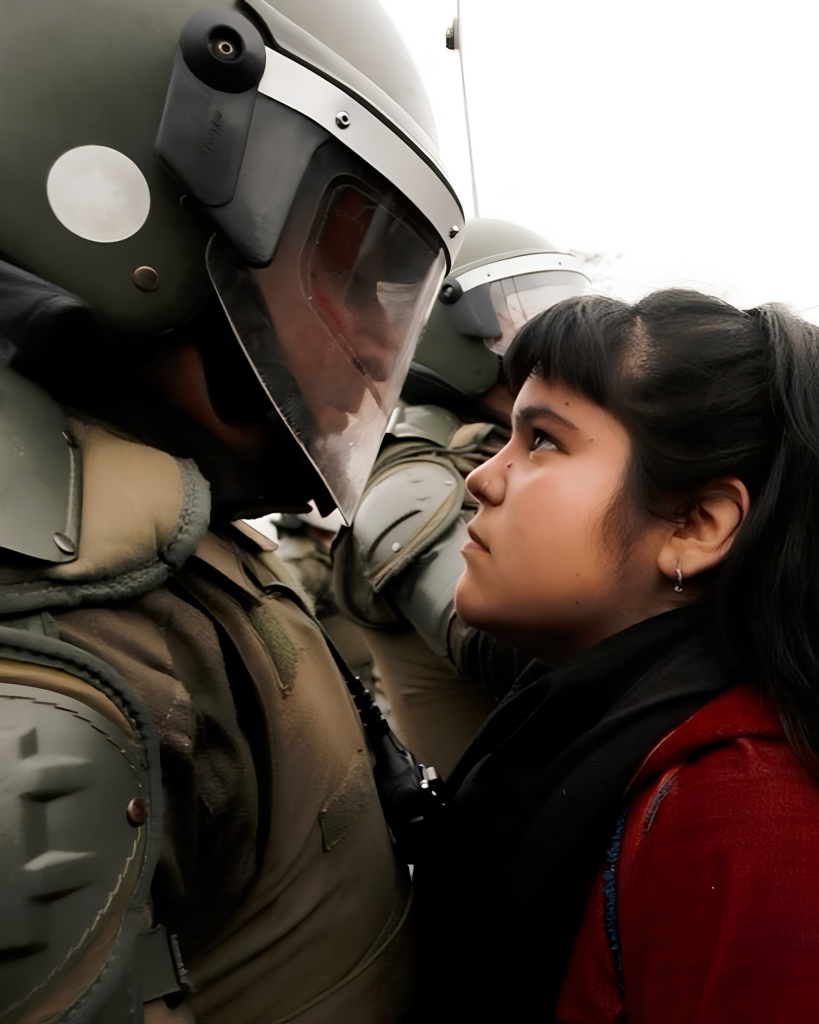
The cause brand is a smaller, more personal version of the same architecture. It takes a genuine injustice, genuine pain, genuine anger at something real, and redirects the energy of that anger into a commercial channel. The buyer feels like they are participating in change. The founder feels like they are fighting something. The percentage going to the organisation feels like accountability. And the injustice continues, because the commercial channel was never connected to the mechanisms that could actually address it. You cannot hoodie your way out of systemic rape culture. You cannot tote bag your way out of institutional racism. You cannot donate 20% of a product sale your way into a world where the thing that produced the product’s reason for existing has been dismantled.
Brand activism peaked in 2020, driven by the pandemic and the resurgence of the Black Lives Matter movement. Companies across every industry posted black squares and issued statements of solidarity and made sweeping commitments to diversity and inclusion. The commitments were largely not kept. By 2024 and into 2025, major corporations were quietly rolling back their DEI initiatives, removing sociopolitical content from their platforms and restructuring internally in ways that walked back everything the statements had promised. The statements had cost nothing to make. The rollback cost nothing either. The people who had bought from those brands in 2020 because of the statements had already spent their money. The transaction was complete. The cause had served its commercial purpose and was no longer needed.
A TikTok creator who works with sustainability-focused brands described the dynamic with painful precision. She said brands now want activism in the brief, that there is too much pressure to say the right thing even when it does not feel genuine, and that if you do not, you risk losing visibility and profit. She said sometimes it is less about change and more about optics. Activism, she said, has become a form of currency.
Currency is the operative word. The cause is the product. The pain is the marketing. The percentage is the price of legitimacy. And the problem the brand is built around is the inventory: as long as it exists, there is something to sell. What Virgil gave a generation was a genuine intellectual framework for thinking about objects, culture and meaning. What that generation gave back to the market was the framework without the foundation, the concept without the craft, the story without the years of work that make a story worth telling. The result is an industry flooded with brands that have a narrative and nothing else, held together by a percentage pledge and an About page.
None of this means that every brand with a mission is dishonest, or that every founder with a painful story is exploiting it. There are organisations and founders who have built genuine accountability into what they do, who measure their impact in structural terms, who ask not just how much money went to the cause but whether the cause is actually changing. The distinction is not between caring and not caring. It is between building something that is designed to resolve the problem and building something that is designed to profit from its continuation while performing resolution.
The question worth asking of every cause brand, every percentage pledge, every mission statement written in the language of justice, is a simple one. If this problem were solved tomorrow, would this brand survive? If the answer is no, then the brand needs the problem to survive. And a brand that needs the problem to survive has a financial interest in the problem continuing, however much it would deny it, however much the founder genuinely believes in what they are doing.
Real change does not come with a logo. It does not have a conversion rate. It is not optimised for engagement. It is slow and unglamorous and it happens in institutions and legal systems and cultural conversations that do not photograph well and do not trend on any platform. It asks things of people that a purchase cannot substitute for. It requires presence, sustained attention and the willingness to stay in the discomfort of a problem without reaching for something to buy as a way of feeling like you have addressed it.
The young man with the brand and the story and the 20% pledge is not a villain. He is a person in pain who was handed a tool that the system had waiting for him, shaped exactly like the thing a person in pain reaches for when they want to feel like they are doing something. The tool works perfectly. It makes him feel better. It makes the buyers feel better. It makes the organisation receiving the 20% feel better. And it leaves everything that produced the original wound exactly where it was, ready to produce the next one, which will become the next brand, which will launch on the next platform, which will trend for the next week, which will donate the next percentage to the next organisation.
The machine is not broken. The machine is working precisely as designed. The question is whether you are using it or it is using you.