Coming back to yourself after the industry is done with you
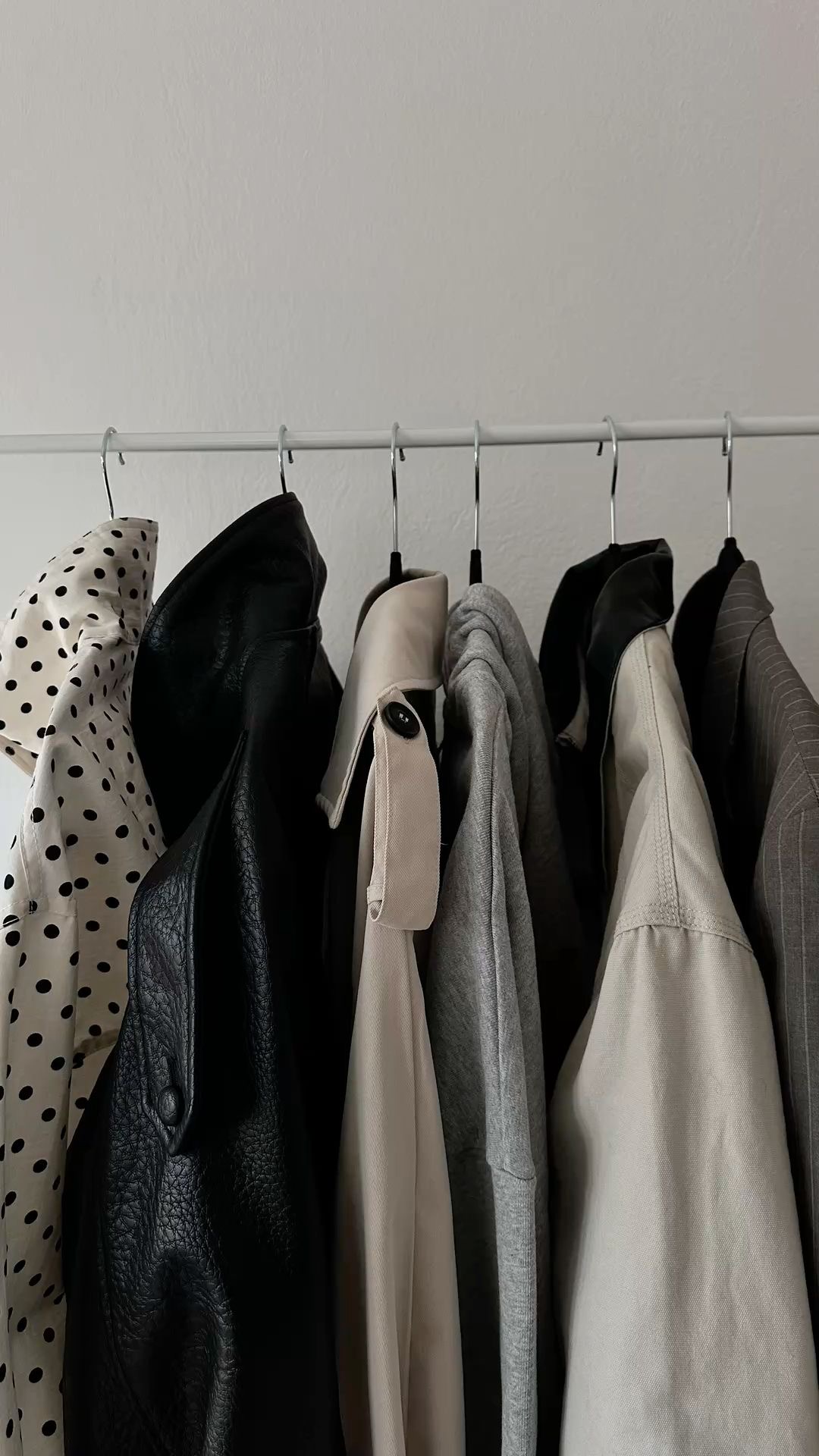
You know the feeling. You are standing in front of everything you own and none of it feels like yours. You bought it all. You chose it all. Some of it you saved for. Some of it arrived in a rush, a Tuesday night, a weak moment, a sale that felt like fate. And now it hangs there and you are standing in your underwear at 8am feeling like a stranger in your own life.
That is where this starts. Right there.
The industry did not take anything from you violently. It was slower than that and more patient. It started when you were young enough to believe that the right pair of jeans could change something fundamental about how the world received you. And the world did receive you differently. That part was real. So you kept going. You kept buying the signal and sending it out and adjusting it when the response changed. You got very good at reading the room. You got so good at reading the room that you forgot you had your own.
Here is what nobody says plainly enough. You do not need most of what you own. That is not a moral judgement. It is an observation about what actually happened. The average person today owns four times the amount of clothing their grandparents did and reports feeling like they have nothing to wear with significantly higher frequency. The wardrobe has grown and the satisfaction inside it has shrunk. More has produced less. The industry understood this outcome before you did and it planned for it, because a person who feels like they have nothing to wear is a person who is about to go shopping, and a person who is about to go shopping is a person the industry was designed to receive.
The consumerism that fashion runs on is not the result of human greed. It is the result of human vulnerability being studied with extraordinary precision and then exploited with extraordinary efficiency. You did not wake up one morning and decide to own forty t-shirts. You were moved toward forty t-shirts incrementally, through a series of small decisions that each made complete sense in the moment they were made, each one triggered by something the system placed in your environment at a time it calculated you were most susceptible. The scarcity message. The influencer whose life looked like a version of the life you wanted. The sale that expired at midnight. The seasonal edit that implied everything you owned was now slightly wrong. None of it was accidental. All of it was aimed.
2024 was the year a lot of people hit the wall. Quietly and without ceremony. Fashion editors writing publicly that their wardrobes felt like someone else’s life. Women crying in fitting rooms not because the clothes did not fit but because nothing fit who they were anymore and they could not remember when that had happened. Men buying the same five things in slightly different configurations every season because somewhere along the way the conversation with their own taste had stopped and nobody had announced the end of it. The trend cycle had moved so fast for so long that standing still inside it felt like going backwards, and going backwards felt like failure, and failure in fashion feels personal in a way that failure in other areas somehow does not.
That is by design.
The system needs you uncertain. Certainty is the enemy of consumption. A person who knows exactly what they want, who has a clear and private relationship with their own aesthetic, who reaches for things because those things are genuinely theirs and not because someone with a ring light told them it was the moment for it, that person is very difficult to sell to. They are nearly impossible to trend on. They buy slowly and keep things for years and do not refresh their wardrobe when the season changes because their wardrobe is not seasonal. It is theirs. The system has no entry point into a person like that.
So the system works to prevent that person from forming.
It starts early. Before you have developed the language to describe what you actually like, you are shown what you should like. Television, magazines, the older kids whose style you observed and filed away, all of it arriving before any critical filter had developed. By the time you are old enough to have a genuine aesthetic conversation with yourself, you are already carrying years of received preference that feels indistinguishable from your own. The craving for the logo that has been in your peripheral vision since childhood feels like a personal desire. The silhouette you are drawn to feels like instinct. Some of it is. Some of it is architecture. From the inside, they feel identical.
The wardrobe that results from all of this is not yours. It is a record of every moment the system found you open. Every purchase made from anxiety rather than desire. Every piece bought to signal something to someone whose opinion you were quietly seeking. Every trend followed not because it moved you but because not following it felt like being left behind. Strip all of that out and what remains is usually much smaller than the wardrobe you currently have, and much more honest, and much more comfortable to live inside.
This is the part of the consumerism conversation that gets skipped. Everyone is happy to discuss the environmental cost of buying too much. The carbon, the waste, the landfill, the water. Those are real and they matter. But the personal cost, the cost to the person doing the buying, is discussed far less. Owning things you do not need and did not genuinely want takes up space that is not only physical. It takes up the mental space of maintenance, of decision making every morning in front of a wardrobe that does not reflect you, of low-level guilt about the money spent and the space consumed and the version of yourself you were trying to become when you bought the thing and did not. Consumerism is expensive in ways that do not show up on a bank statement.
Coming back to yourself after all of that is not a rebrand. It is not a capsule wardrobe or a slow fashion conversion or a year of buying nothing. Those are all still organised around the same logic, still measuring your relationship with clothing in units of correct and incorrect consumption. The way back is quieter and stranger than any of that.
It starts with the question nobody in the industry wants you to sit with long enough to answer. If nobody was watching, if the feed did not exist, if your choices left no visible record for anyone to evaluate, what would you actually wear? Not what you wish you were the kind of person who wore. Not the elevated version of yourself that exists in the future after the weight loss or the pay rise or the move to a better city. What would you put on your body tomorrow morning if the only person whose opinion counted was yours?
Most people find, when they ask that honestly, that the answer is simpler and more specific than anything in their current wardrobe. Quieter in some places. Stranger in others. More committed to particular things in ways they have been softening for years because the commitment did not fit into any available category the feed recognised. The thing you would wear in private is almost always closer to you than anything you bought to be seen in.
The gap between those two wardrobes is the map. Everything in the gap is noise that was placed there by something other than you.
The people who have always dressed with that quality of conviction, the ones the industry calls effortlessly stylish as though it were genetic rather than earned, are simply people who arrived at themselves and stopped negotiating. The woman who has worn the same proportion for twenty years because it is hers and she knows it. The man who has no interest in what the season is doing because the season has no jurisdiction over his wardrobe. They are not enlightened. They are just done with the argument. They had the conversation with themselves that most people keep postponing, found out what they actually liked, and decided that was sufficient. The industry photographs them and calls it inspiration and sells a version of their certainty back to the people who have not yet found their own.
You cannot buy certainty. That is the part that makes the industry uncomfortable to acknowledge.
The way back to yourself is slow and it is personal and it will look like nothing from the outside. You will wear something that does not make sense to anyone else and feel, briefly, that it makes complete sense to you. You will stop reading the trend reports and find that without the noise, a preference you had forgotten surfaces quietly from somewhere underneath. You will have mornings where the old anxiety returns, that itching sense that you are behind, that something is happening in the world of clothes that you are missing, and you will recognise it for what it is and let it ring out.
And one morning, which will arrive without announcement, you will get dressed in the dark and walk out into the light and feel entirely like yourself. No reference. No season. No approval pending. Just you, in your clothes, in your life, going about your actual day.
That morning is what the whole thing was supposed to feel like from the beginning.
Welcome home.