There is a man somewhere right now, sitting in a chair he has owned for twelve years. The fabric on the armrest is worn thin on the left side, where his elbow has rested through decades of matches. He is wearing a jersey that cost him more than his electricity bill, and he does not regret it for a single second. On the screen in front of him, twenty-two men he has never met and will never meet are playing a game that will not change the practical facts of his life regardless of its outcome. But he is not thinking about the practical facts of his life. He has not been thinking about them for ninety minutes. He has been somewhere else entirely, somewhere that has no rent, no deadlines, no weight. He has been inside the game.
This is what football does. It takes an ordinary evening and makes it feel like history. It makes strangers feel like family and makes a result on a pitch feel like a verdict on something much more personal. No industry invented this. No boardroom created it. Children did, in streets and courtyards and patches of dust and grass across every continent on earth, generation after generation, choosing the game before anyone told them to. The love was always free. It was always already there.
And then, quietly and over a very long time, someone noticed.
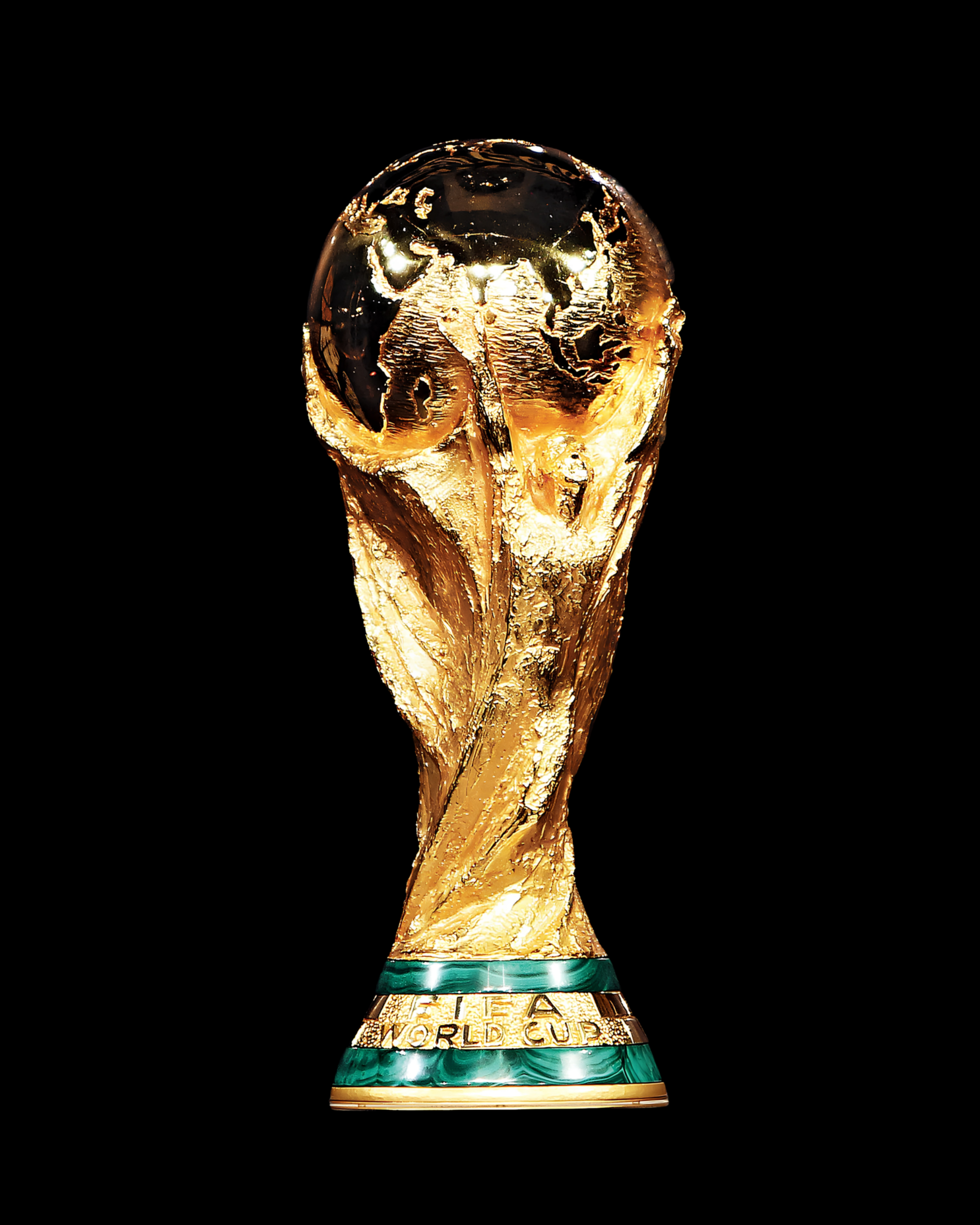
The 2026 FIFA World Cup opened on the 11th of June across stadiums in the United States, Canada and Mexico, and it is the largest the tournament has ever been. Forty-eight nations, 104 matches, sixteen cities, and a projected revenue that FIFA estimates will reach $8.9 billion for the tournament alone, part of a four-year commercial cycle that is on course to deliver $13 billion in total. Broadcasting rights projected at $4.2 billion. Sponsorship at $2.8 billion, a record for any standalone sporting event in history. Ticket revenue at $3 billion, driven by a dynamic pricing system that adjusts what you pay based on how much you want to be there. The more you love the game, the more the ticket costs. That is not a coincidence. That is the architecture.
But before the architecture, there was the river.
Picture it wide and deep and running through every country on earth. The water is the love of ordinary people for an ordinary game. It is a father sitting his daughter on his knee and telling her which team they support and why, passing something down that cannot be explained in practical terms but is understood completely the moment it is received. It is a boy in Kampala and a girl in Lisbon and a man in Buenos Aires all feeling the same thing at the same second when the ball goes into the net, connected by something invisible across thousands of miles. The river is made of all of that. Of the songs sung in languages the singers do not fully understand. Of the scarves worn in weather that does not require them. Of the names given to children in honour of men who never knew those children existed.
The fans built the river. They did not build it for money. They built it because they could not help it, because football had become part of the language they used to understand themselves and each other. And when the river was wide enough and deep enough and fast enough, the people with measuring tools arrived on the bank.
They studied the current. They assessed the depth. They calculated the flow rate. And then they built infrastructure to charge people for crossing it, and the crossing fee has been rising ever since.
A Premier League shirt in 1992 cost a fraction of what a shirt costs today. A standard England shirt for the 2024 European Championships was priced at £84.99, nearly three times what the equivalent cost thirty years ago. Barcelona earned £153 million in jersey sales in a single season. Real Madrid £132 million. Liverpool £112 million. These numbers do not come from the game itself. They come from what the game means to the people who love it, translated into a price and placed on a garment that a fan wears not because they need clothing but because wearing it is the closest they can get to belonging to something they love from a distance.
The jersey is a love letter written in polyester. And the people who make it know exactly what it is worth to the person who buys it, which is why it costs what it costs, which is also why millions of people buy it anyway.
There is a secondary story running through the same river, quieter and darker, that the official narrative does not tell. In the weeks before major tournaments in 2024, Spanish authorities intercepted over 36,500 counterfeit football shirts in a single operation. In Shanghai in 2019, police seized 30,000 replica Premier League jerseys being repackaged and resold as the real thing. Behind every counterfeit shirt is a fan who wanted to belong to something and could not afford the price that belonging had been given. The fake shirt is not a crime against the game. The game did not set that price. The business around the game did. The man wearing a replica that cost a tenth of the official version loves his club exactly as much as the man wearing the authentic. The river does not check receipts.
This summer, FIFA has introduced something new to the World Cup experience. Dynamic ticket pricing, a system borrowed from airlines and hotels, means that the more demand there is for a match, the more a ticket costs. The fan whose team reaches the final will pay more than the fan whose team goes out in the group stage. Loyalty to a successful team is taxed by its own success. Some tickets for the most anticipated matches this summer have sold for thousands of dollars each. Over six million tickets were made available across 104 matches. The stadium roared. The spreadsheet smiled.
Coca-Cola is there, as it has been at every World Cup since 1950, its red logo woven into the visual language of the tournament so completely that it barely registers as advertising anymore. It registers as scenery. Aramco, the Saudi Arabian state oil company, is a global FIFA partner this cycle, which means the world’s most watched sporting event carries the branding of one of the largest fossil fuel producers on earth alongside the jerseys that sustainability campaigns ask fans to keep for longer. The corporations sponsor the passion and the passion sponsors the corporations and the river keeps flowing through all of it, indifferent to the logos on its banks.
An Important Reminder
While the man in the chair is somewhere else entirely, while the goals are being scored and the flags are being waved and the world is briefly and beautifully united around a ball, it is worth pausing to say something plainly. The entertainment and joy are real. And the system that delivers it is also real too, and it was not designed to set you free. It was designed to keep you exactly where you are. A person absorbed in a match is a person not asking questions, and as soon as you get comfortable they win. A generation raised on spectacle is a generation that measures its weeks by fixture lists and its identity by a club’s performance, outsourcing its sense of power to twenty-two men on a pitch while the people who own the pitch, the broadcast rights, the sponsorship deals, the ticket pricing algorithms and the replica jersey factories make decisions that shape the material conditions of that generation’s actual life without interruption. The beautiful game is one of the most effective instruments of distraction ever built, not because anyone sat down and designed it as such, but because the system recognised its value and enclosed it. Enjoy the football. Love it honestly and proudly without apology. But do not let the ninety minutes convince you that the world outside the final whistle is not also running, and that the people running it are not counting on your attention being somewhere else.
Remember we can all pause, come together, correct our lives and stop being sad. Black King
With all that said.
The game that kicked off on the 11th of June is still football. The passes are still precise or imprecise, beautiful or devastating, depending on who you are watching for. The moments that stop time are still stopping time, still producing the specific silence in a stadium before the roar, the kind of silence that sounds like the whole world holding its breath at once. The man in the twelve-year-old chair is still somewhere else entirely, somewhere the electricity bill cannot reach him. His jersey is worn at the collar. He does not notice.
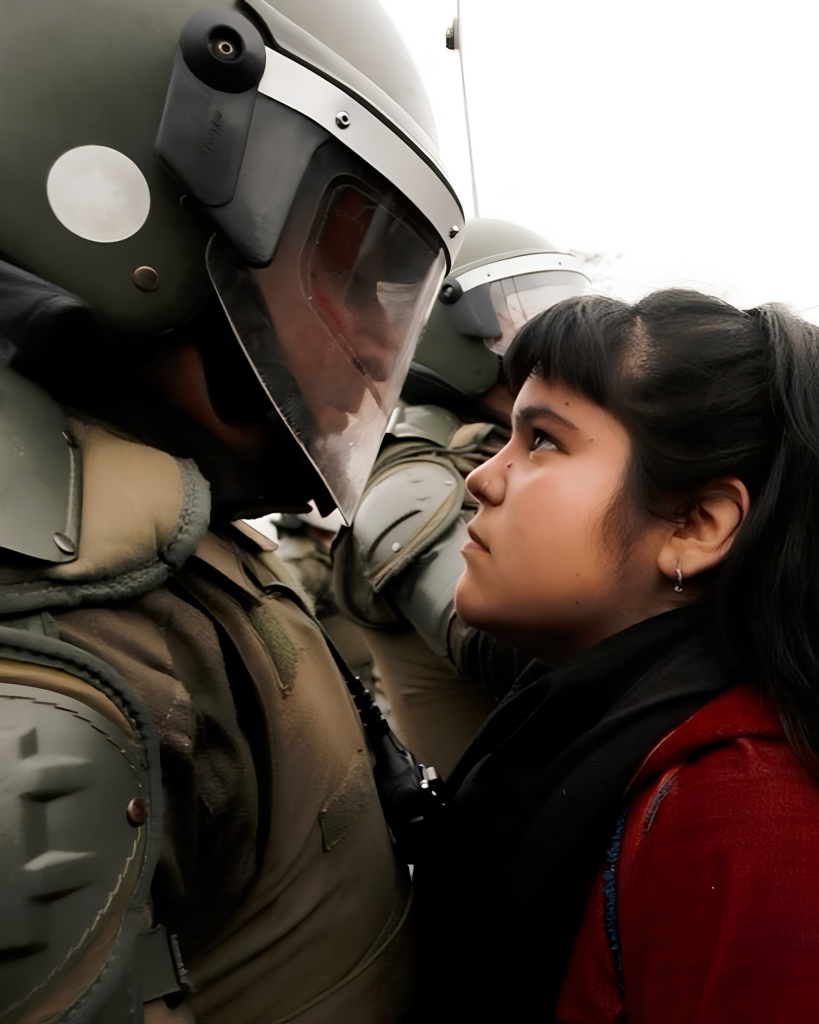
This is the story of the beautiful game in 2026. It is a love story and a business story and they are running in the same body simultaneously, you’ve totally watched protests, most of the times they are standing for something, most of them are, some bring in their different ideologies in the right cause, the cause changes direction, you have one cause that you stand for and fight for another you don’t in the end the causes are all put in place and your children are still not safe because you fought for something that was greater than you could ever comprehend, thats why I’ll ask you this, what do you fight for? Black King, the way rivers sometimes carry two temperatures of water in the same channel without ever fully merging. The love is as old as the game. The business is as new as the measuring tools that arrived on the bank and found a river worth charging for.
The fan keeps crossing. The toll keeps rising. And somewhere deep in the water, where the current is strongest and the light comes through clearest, the game itself continues, entirely unbothered, as beautiful as it has always been.
It has no idea what it is worth. It never did. That was always the point.