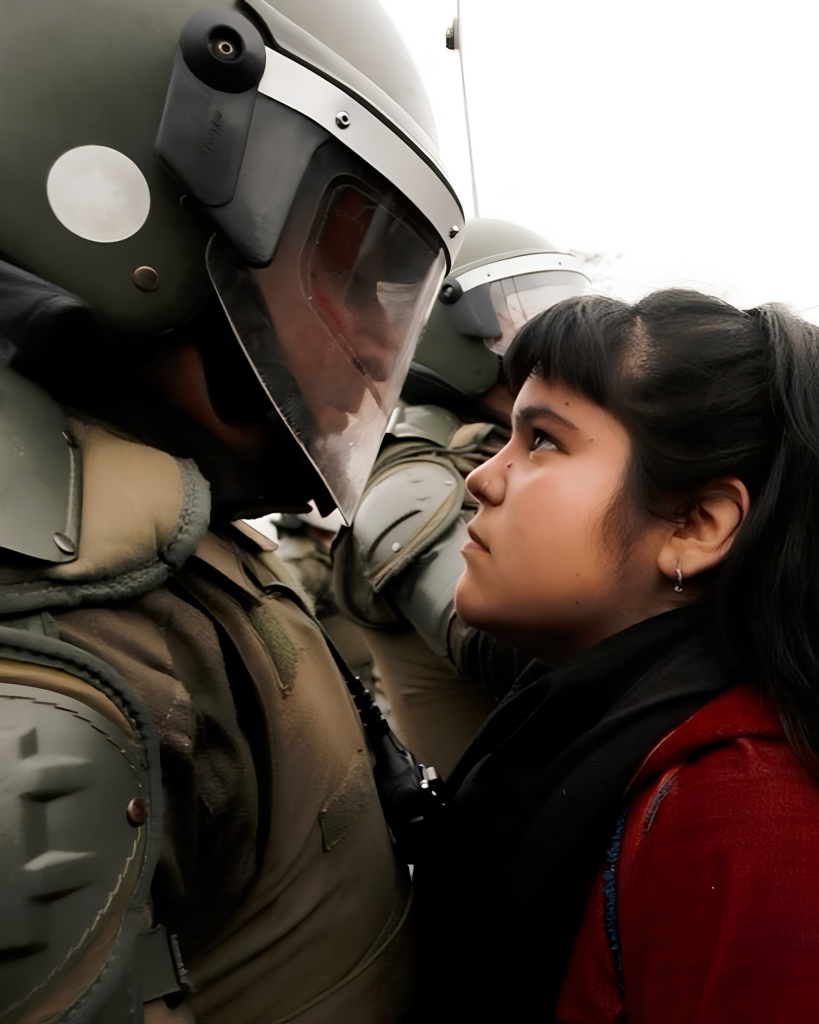
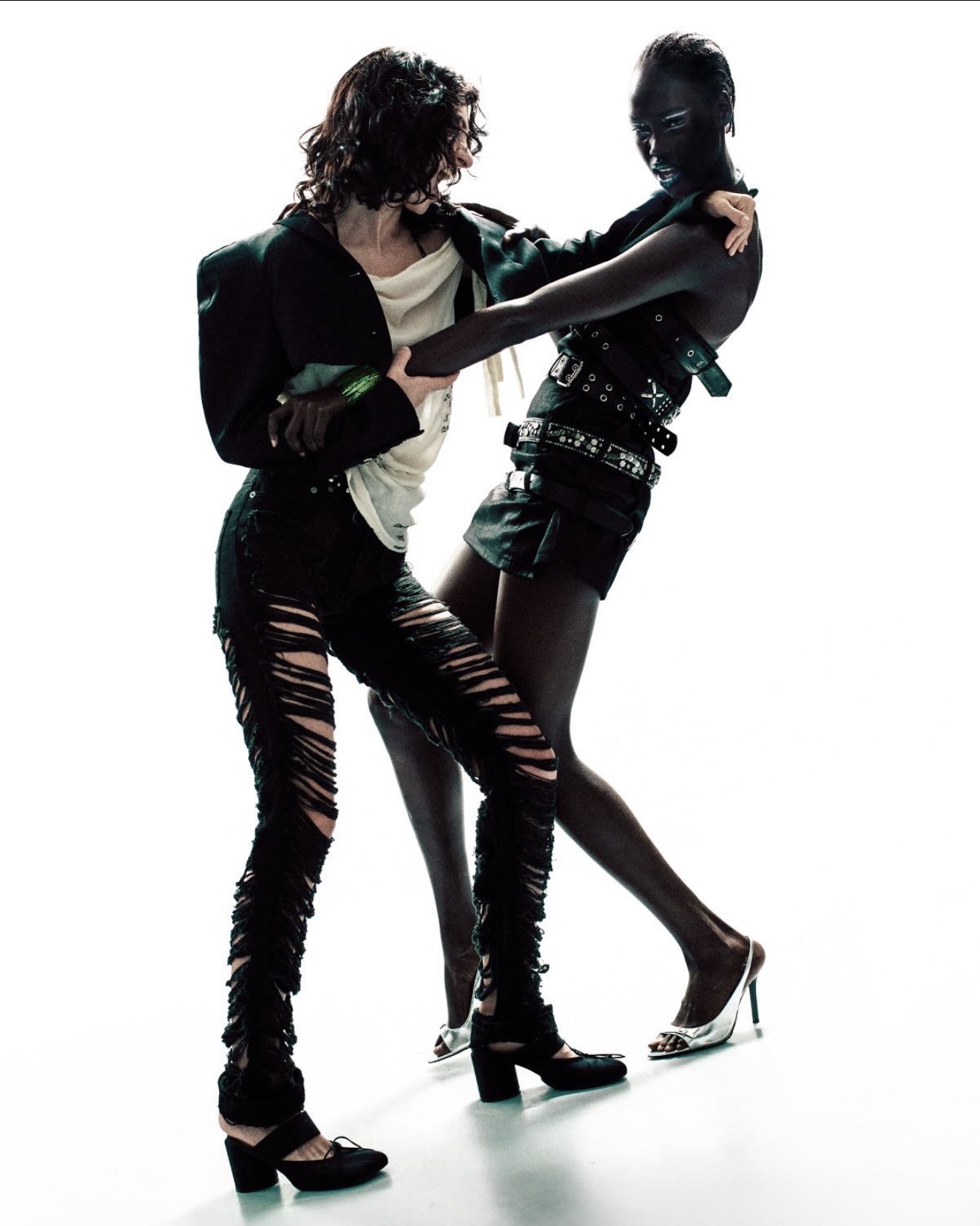
Fashion loves a good story about itself. The story it has been telling for the last several years goes something like this: the industry woke up, opened the doors, and built something new. More Black faces on runways. More dark skin on magazine covers. More names from Nairobi, from Juba, from Cairo sitting front row. The story is told with great conviction and accompanied by press releases, diversity reports, and campaign imagery shot in warm golden light.
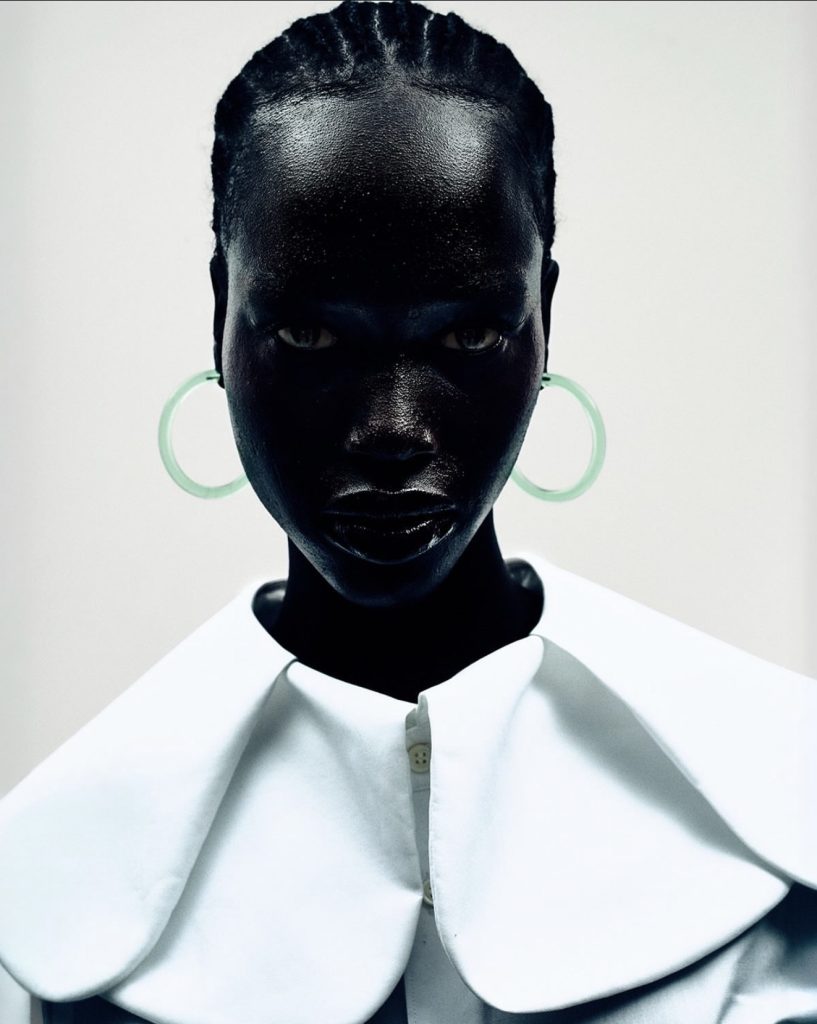
The question nobody in that story wants to answer out loud is a simple one. What, exactly, are Black models being asked to give up in order to stay in it?
Anok Yai, one of the most recognised faces in global fashion, lost ten inches of her hair within six months of starting her career. She recalled being on set while a hairstylist asked her if she knew how to straighten her hair. When she said no, the stylist said the same. They sat together watching YouTube tutorials. Meanwhile, her counterparts arrived on set, took a shower and showed up. This was not a one-off indignity at a minor shoot. This was the standard operating procedure of an industry that had decided to book her without preparing for her.
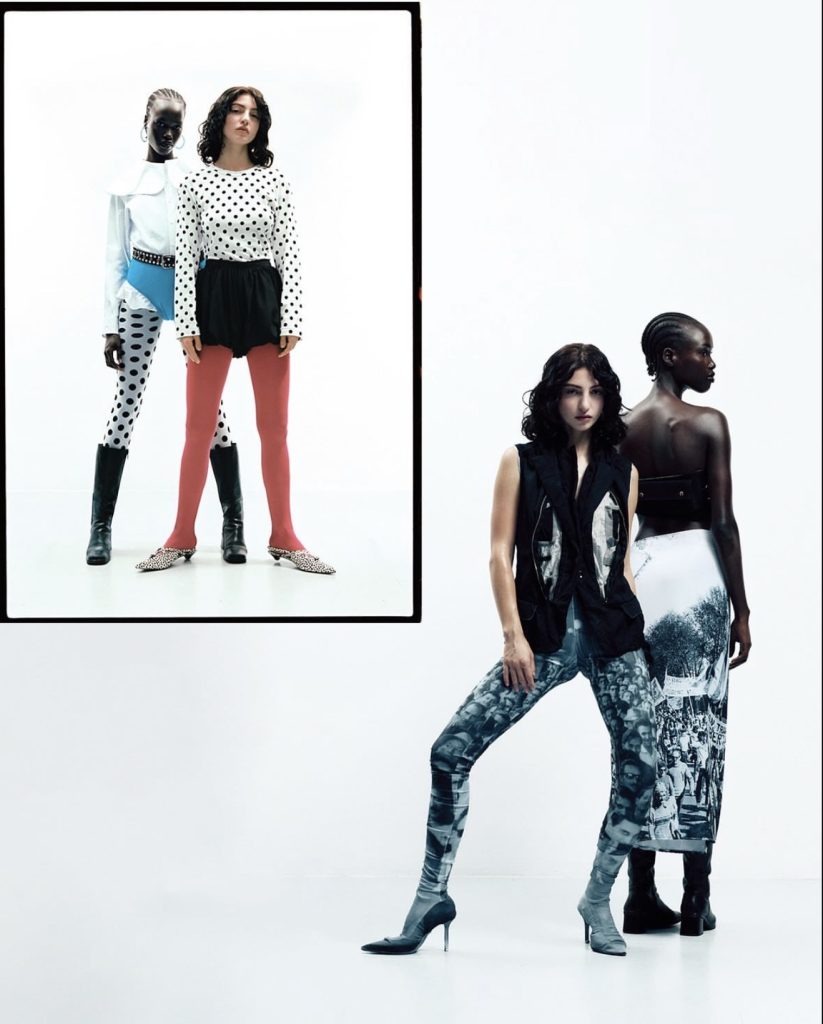
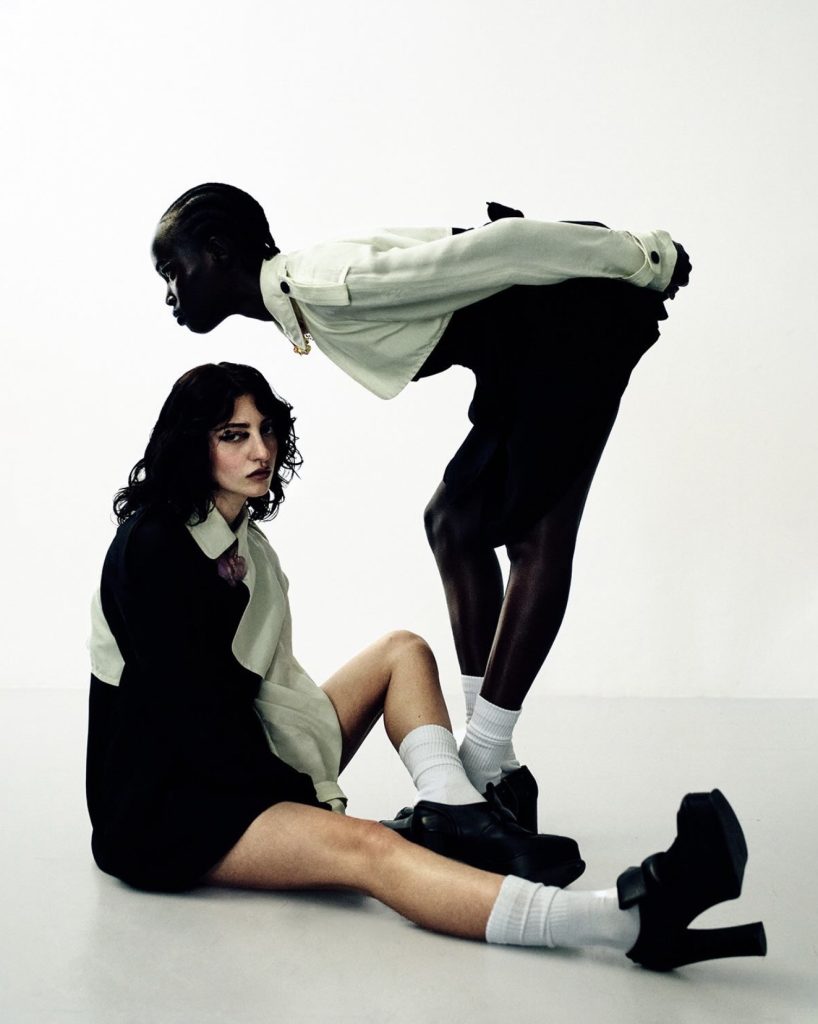
Adut Akech, the South Sudanese model who went on to win Model of the Year at the British Fashion Awards and grace the covers of Vogue across four continents, said she let hairstylists do what they wanted during her early career and her hair became severely heat-damaged. When she stopped allowing anyone to apply heat to her hair, people were offended. The model protecting her own hair from an incompetent stylist was the problem. The incompetent stylist was not.
Both women eventually shaved their heads. Both have said, in interviews, that the decision was their own. And it may well have been. But it is worth sitting with the conditions that produced that decision. A viral post titled “Fashion Is Obsessed With Shaving Black Models Bald” drew an outpouring of responses, including the observation that Black women, particularly darker-skinned ones, were being stripped of their femininity and power to fit industry stereotypes. The discussion pointed to the fact that Black models, particularly those of African descent, rarely escape the shaved-head phase of their careers.
The issue is not the aesthetic itself. The issue is that a shaved head appears to be the entry condition for the fashion world to fully champion Black women within it. The industry cannot manage Black hair, does not invest in people who can, and then frames the resulting damage or removal of that hair as artistic courage. That is not liberation. That is a system creating a problem and then applauding the women who find a way to survive it.
Angel Sinclair, founder of Models of Diversity, has stated plainly that the discrimination and unfair treatment of Black models has always existed, and that if Black models make it through the casting stage, they then have to deal with makeup artists and stylists who are untrained to work with Black hair or darker skin tones. This is a structural failure. Hairstylists on professional sets are paid professionals. The decision not to hire people with the knowledge and tools to work with the full range of human hair is a choice. It is made every season, at every major house, on every major runway, and it lands on the bodies and hair of the women booked to walk them.
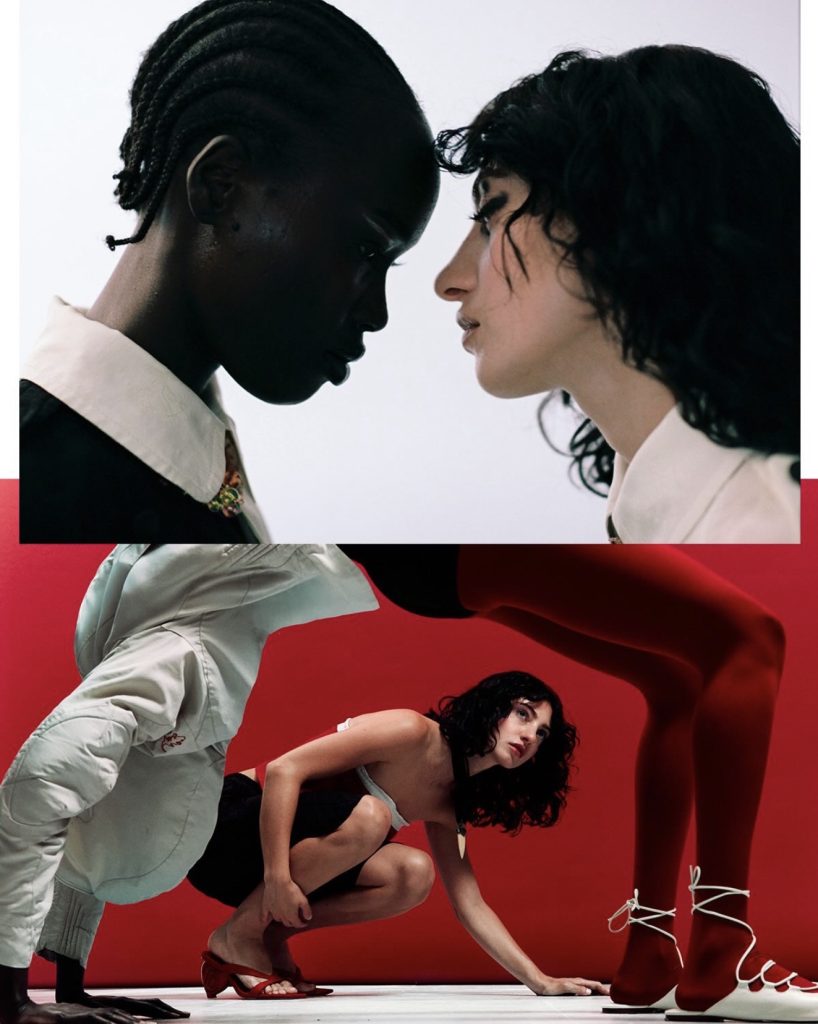
The Fashion Minority Alliance’s 2024 Road to Inclusivity report identified the industry’s three most persistent failures as the departure of underrepresented staff at mid-career level, a disconnect between company diversity policies and actual workplace culture, and a pattern of performative responses to diversity crises rather than sustained, embedded commitment. These failures are internal. They are invisible to the consumer sitting in the front row or scrolling a campaign. They are exactly the kind of structural rot that a beautiful Black face on a billboard can obscure for another season.
A model who spoke to Essence about the realities of the runway put it plainly: without external pressure to prioritise diversity and inclusion, some brands simply feel less urgency to maintain those efforts. She described still having to overcome extra challenges because of the colour of her skin. Sometimes just getting in the room felt like an accomplishment, particularly when there were only one or two people who looked like her.
That is the industry in 2026. One or two. A handful of names at the top, photographed extensively, celebrated globally, cited in every press release about how much has changed. And beneath them, a system that remains largely intact.
The women who have made it through are extraordinary. Anok Yai fought to put signs backstage reading “Don’t touch Anok’s hair,” and watched other Black models slowly feel permission to walk shows in cornrows and Afros because she had gone first. That is a genuine act of resistance inside a system that was not built for her. It should be celebrated. It should also not have been necessary. The fact that a model had to fight for the right to arrive at work with her own hair untouched tells you everything about where the power in this industry actually sits.
Fashion has diversity campaigns. It has inclusive casting announcements. It has statements of commitment and restructured talent rosters and beautifully lit portraits of women who look like the world actually looks. What it does not have is a satisfying answer to the question of why, in an industry built on aesthetic expertise, Black hair remains something to be damaged, removed, or navigated around rather than celebrated with the same fluency and investment applied to everything else.
Whether that is racism embedded so deeply into the industry’s infrastructure that nobody has to consciously choose it, or whether it is a business decision dressed up in the language of art and progress, is a question fashion has so far managed to avoid answering directly.
Perhaps it is time someone made them answer it.