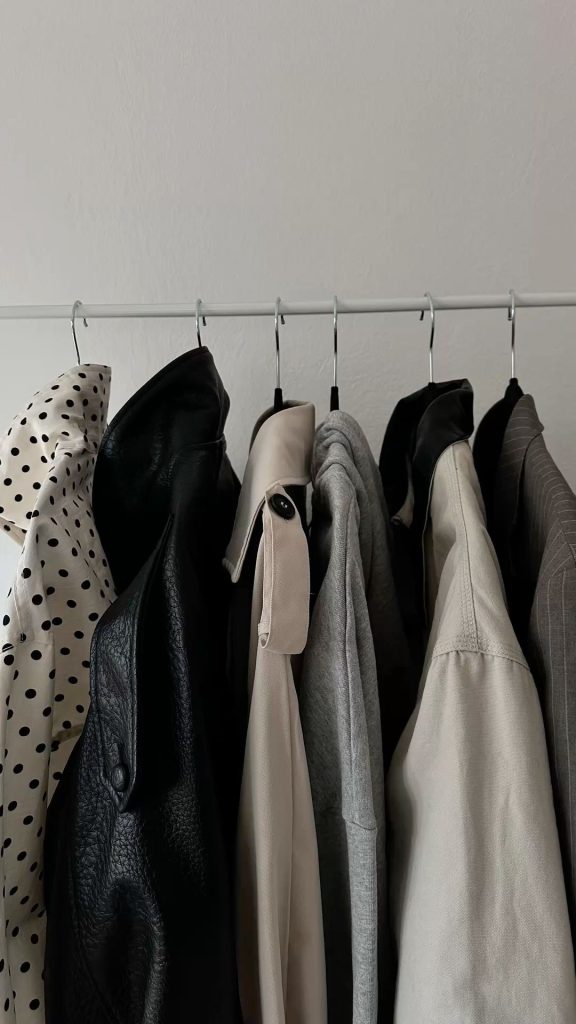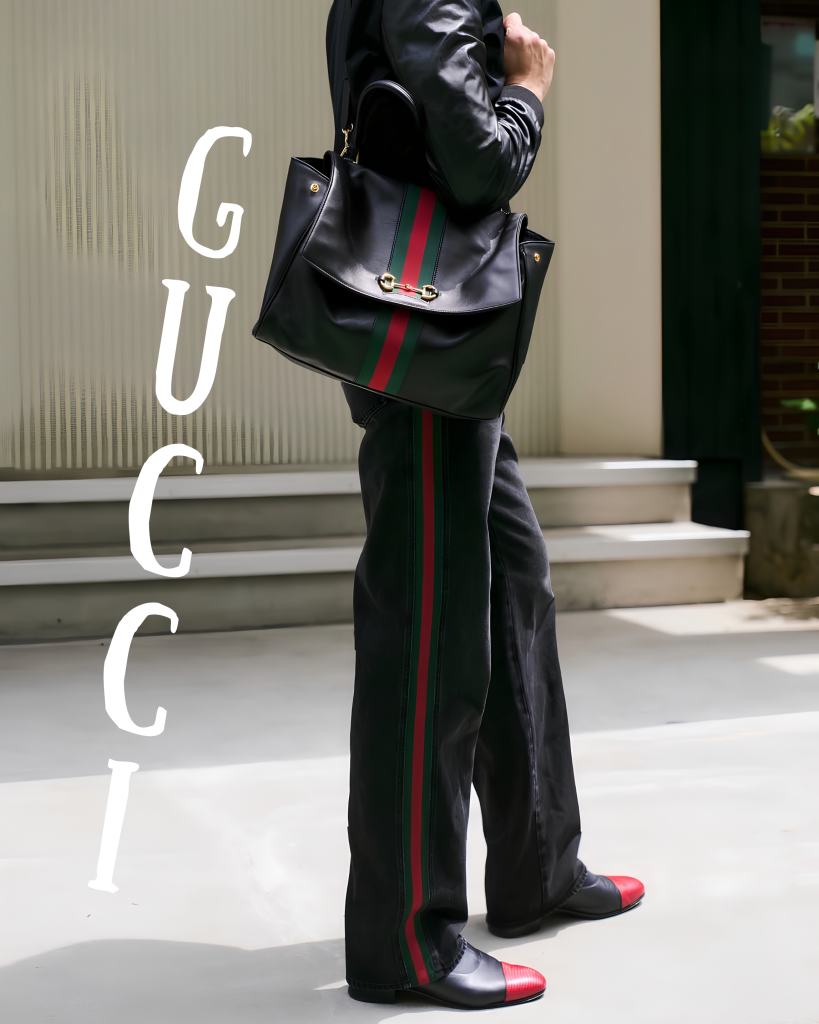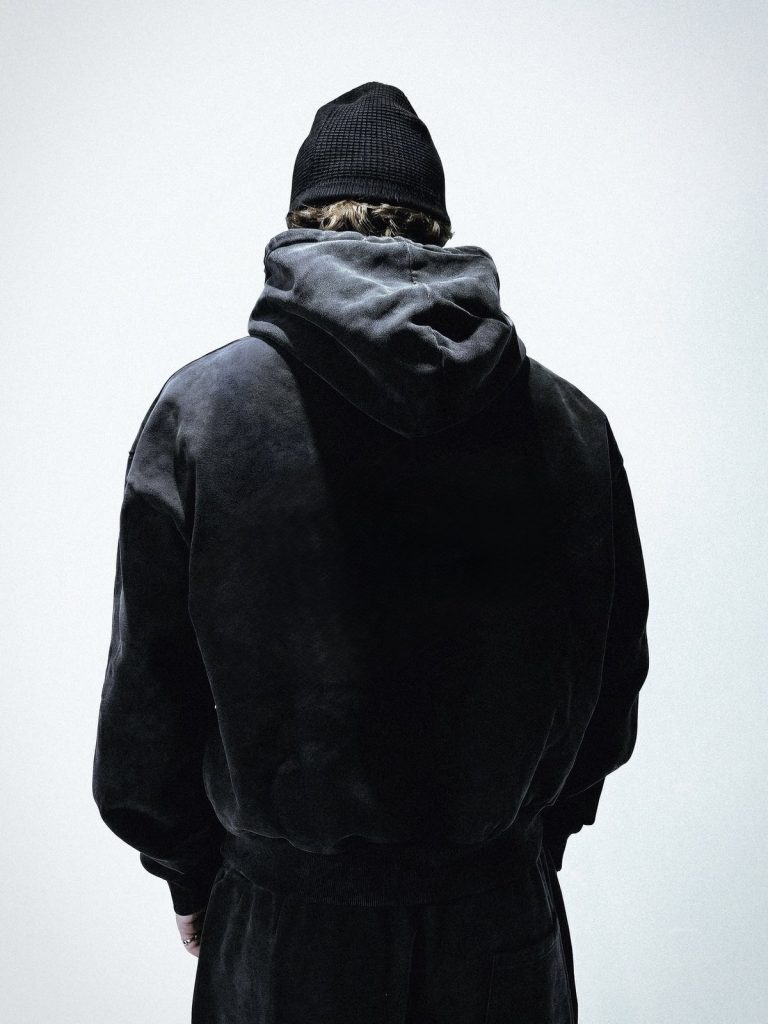

There’s something about a man in sharp monochrome that still rattles the culture. Maybe it’s the crispness of the silhouette, the austerity of the contrast, or the quiet arrogance of refusing color when everyone else is shouting neon. The photograph feels like a postcard from another time, yet it sits right here, in our feeds, reminding us that the black aesthetic has never slipped into obscurity, it just waits until fashion is desperate enough to come crawling back.
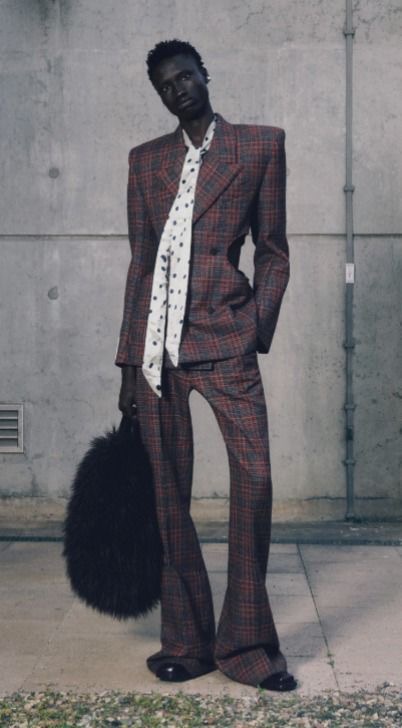
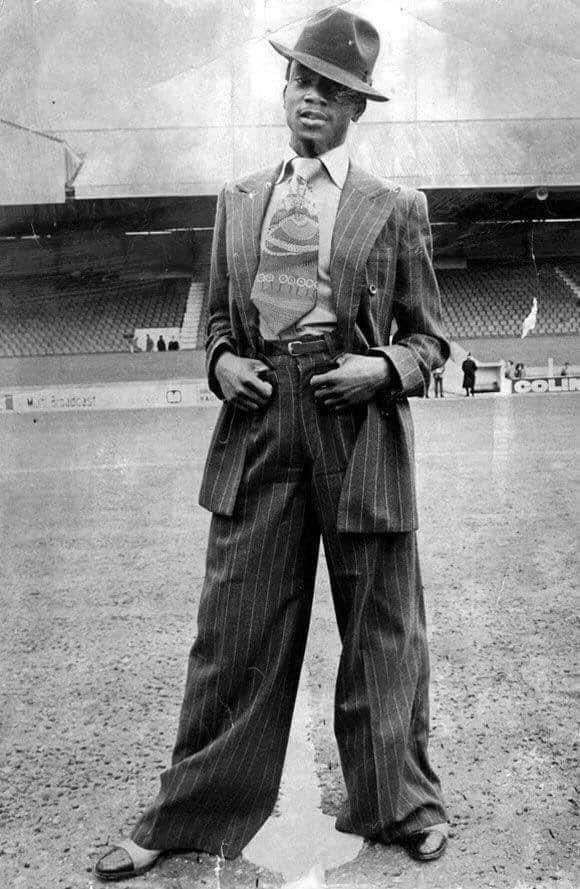
The cut of the suit, the tilt of the face, the shadow pressed against the cheekbone, it reeks of dandyism, that decadent art of being too well-dressed for your own good. In the 19th century, dandyism was about rebellion through refinement. Today, it’s about the performance of identity, the curation of cool, the ability to step into a room and let the clothes narrate a manifesto before your mouth even opens. The modern dandy isn’t buying into Savile Row tradition; he’s building his own, weaving together subcultures, nightlife fragments, and the archives of Black style pioneers who never got their due credit.
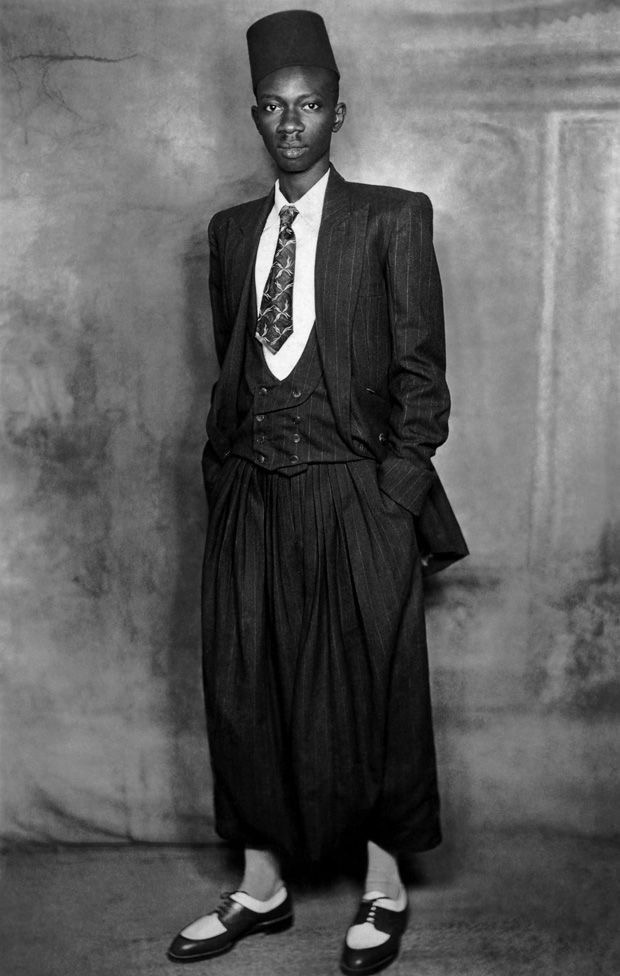
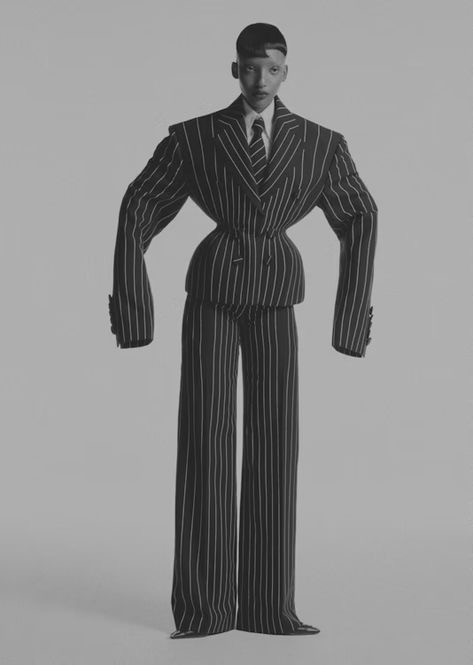
Because fashion, for all its endless reinvention, keeps siphoning from Black culture. From the tailoring swagger of Harlem in the ‘20s to the streetwear revolution that became luxury’s lifeline in the 2010s, the industry keeps dipping into a well it refuses to name. Brands roll out collections inspired by “urban edge” or “new minimalism,” yet the source material has always been sitting in plain sight: Blackness as style, Blackness as the moodboard, Blackness as the aesthetic engine.
This photos feel like an echo of that lineage. The slickness, the composure, the refusal to beg for validation. It reads like a dandy in grayscale, a figure both timeless and subversive, refusing trendiness while embodying it. The irony is that this kind of imagery, which feels so rarefied and avant-garde, is already ingrained in cultural history. It has been here, lived here, danced here, and dressed here. The industry just decides every couple of years to pick it back up, sell it at ten times the price, and call it discovery.
What makes it electric now is that younger generations aren’t asking for credit anymore, they’re taking it. TikTok kids in wide-shouldered jackets, Gen Z stylists pushing archival Mugler into street corners, creatives remixing dandy codes into oversized denim and secondhand luxury. The monochrome isn’t nostalgia; it’s a reclamation. The black aesthetic isn’t a reference, it’s the foundation.