
Image by Andrew Ottoo Studios
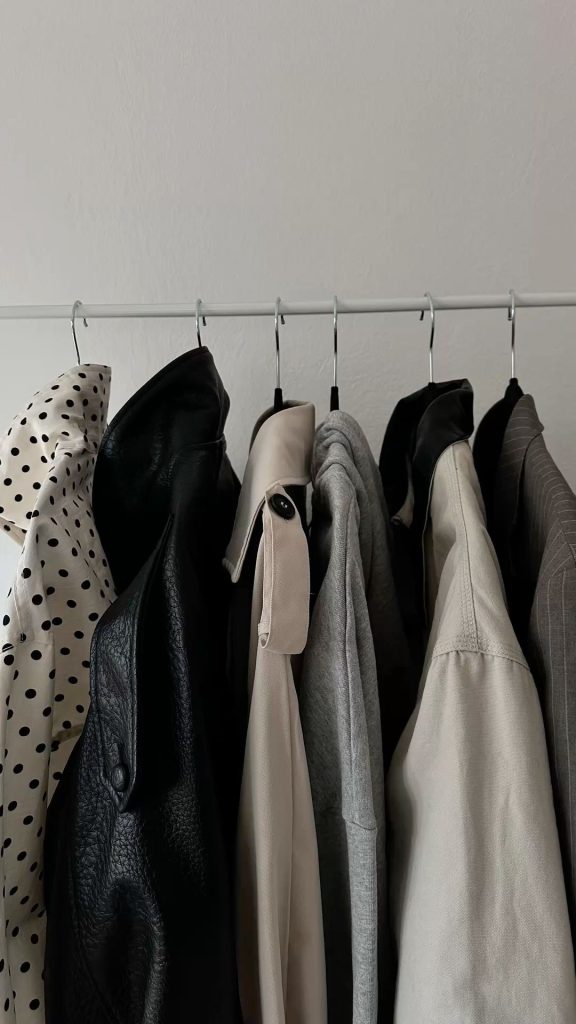
The flickering glow of a late-night monitor catches the silver thread of a vintage veil, and suddenly the room feels crowded with the ghosts of 1989. There is a specific kind of vertigo that comes from staring at the past until it starts to look like the future. We are currently vibrating on a frequency tuned forty years ago, obsessed with the heavy shoulders of the eighties and the cynical, stripped-back grit of the nineties. This isn’t a casual trend; it is a full-scale haunting of the modern wardrobe. We find ourselves reaching for the textures of a pre-digital world to feel something solid in a landscape that feels increasingly transparent.
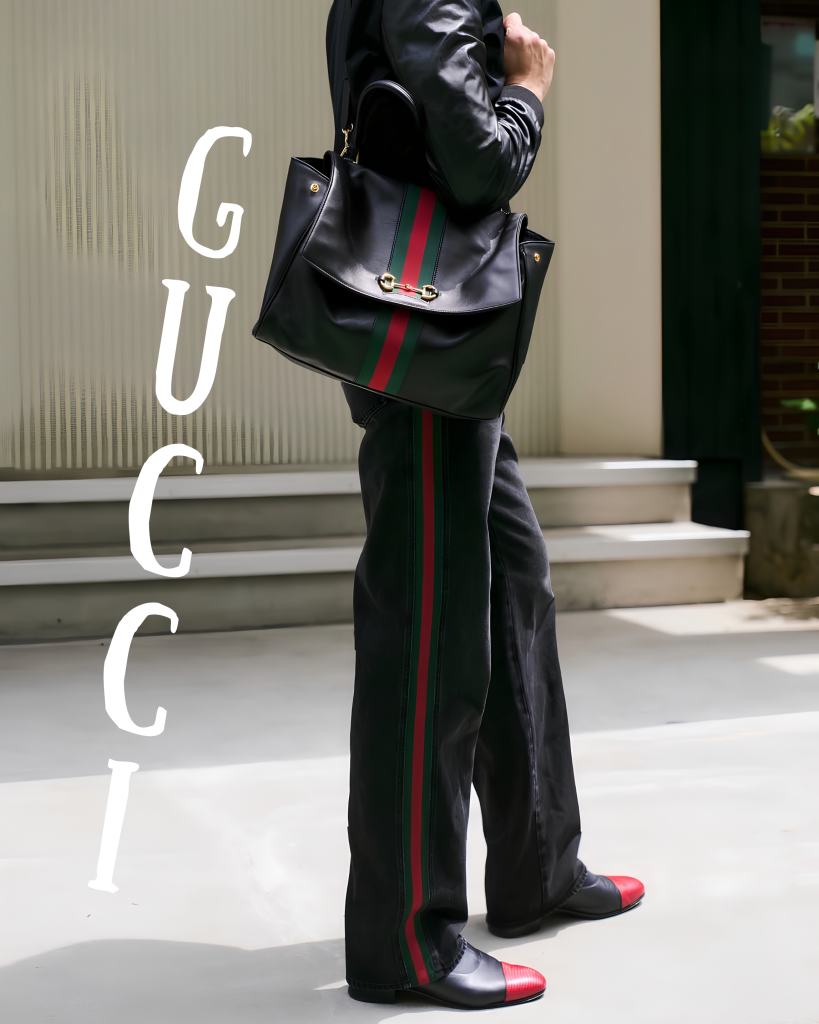
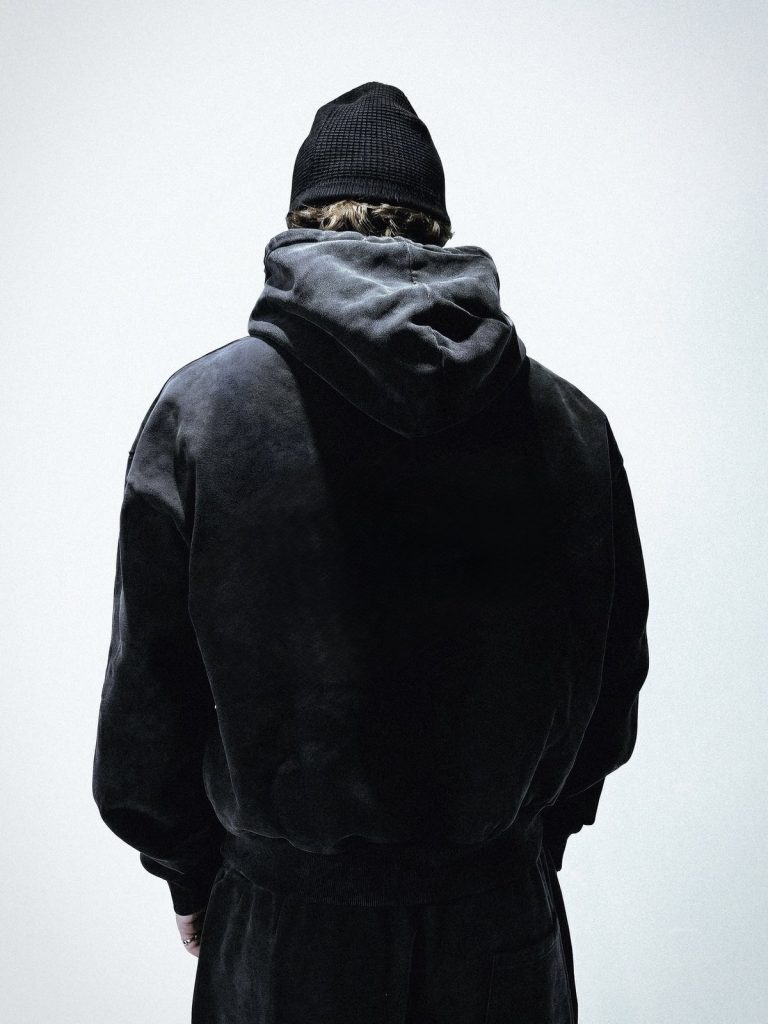
The 1980s and 90s occupy a sacred space because they represent the final chapters of true, tactile subculture. Before every aesthetic was flattened into a searchable hashtag, style was an act of physical presence and localized rebellion. The eighties gave us the architecture of power—bold, sculptural silhouettes and floral headpieces that demanded space. The nineties followed with a cold, industrial minimalism that prioritized the mystery of the wearer. Designers return to these eras because they provide an established emotional shorthand. By reviving these silhouettes, the industry taps into a proven energy that resonates with a generation searching for an identity that feels earned rather than programmed.
Critics often suggest that this reliance on the archives points to a creative drought within the major fashion houses. They argue that the constant loop of references proves an inability to innovate in a meaningful way. Yet, fashion has always functioned as a dialogue between what was and what could be. This current obsession is less a failure of imagination and more an evolution of visual language. Today’s creators are not merely duplicating the past; they are remixing historical codes to suit a much darker, more complex modern context. They take the high-glamour veils of the Reagan era and re-contextualize them for a world that feels both more connected and more isolated.
The “good old days” act as a stabilizing force during a period of massive technological upheaval. We gravitate toward the aesthetics of the late twentieth century because those years mirrored our own sense of rapid transformation and social shifting. Looking back provides the necessary ground to experiment with the future. Creative success in the current landscape depends on the ability to take a familiar specter from the 1990s and turn it into a premonition of the 2030s. We are not running away from the new; we are using the bones of the old to build something that can actually survive the weight of the present.